


For massage gun brands, importers, and distributors, product quality is one of the most important factors when choosing a manufacturing partner. A massage gun may look perfect on the outside, but problems with the motor, battery, speed control, or internal components can affect its performance after it reaches the customer.
This is why massage gun factories need to pay close attention to product inspection before shipment. A well-organized quality control process helps identify potential defects, reduce product returns, and maintain consistency across production batches.
So, what do manufacturers typically check before releasing a batch of massage guns? Let’s look at the key testing stages and what buyers should know.
1. Incoming Material and Component Inspection 🔍
Quality control begins before the massage gun is fully assembled. Manufacturers need to verify that incoming materials and components meet the required specifications.
Depending on the product design, these components may include motors, rechargeable batteries, circuit boards, housings, switches, charging ports, and massage attachments.
During incoming inspection, quality teams may check component dimensions, appearance, labeling, and relevant supplier documentation. Components that fail to meet the agreed requirements should be identified before they enter the assembly process. For buyers sourcing from a massage gun manufacturer, it is worth asking how incoming materials are inspected and whether critical components are traceable to their suppliers.

2. Motor Performance and Operating Tests ⚙️
The motor directly affects a massage gun’s operating performance. Problems such as inconsistent speed, excessive noise, unusual vibration, or overheating may indicate issues that need further investigation.
During functional testing, manufacturers may check whether the motor starts correctly, responds to speed adjustments, and operates consistently under specified conditions.
| Test item | What it checks | Why it matters |
|---|---|---|
| Startup test | Whether the device starts normally | Identifies basic functional problems |
| Speed adjustment | Whether speed settings respond correctly | Supports consistent operation |
| Noise inspection | Whether operating noise falls within specified limits | Helps identify abnormal motor behavior |
| Vibration inspection | Whether the device operates smoothly | May reveal assembly or mechanical issues |
| Temperature monitoring | Whether operating temperature remains within defined limits | Helps identify potential thermal problems |
The exact test methods and acceptance limits depend on the product specifications. Buyers should confirm which tests the factory performs rather than assuming every manufacturer follows the same procedure.
3. Battery and Charging Safety Tests 🔋
Battery performance is another important consideration for rechargeable massage guns. A charging problem or unstable power supply can affect the user experience and may create safety risks.
A massage gun factory may check battery installation, charging functionality, power indicators, and operation at different charge levels. Depending on the design and applicable requirements, additional testing may cover battery protection functions and electrical safety.
Manufacturers should also verify that the supplied battery and charging components match the approved product specifications.
For international buyers, relevant battery transport documentation and product compliance requirements deserve attention as well. Requirements vary by destination market and product configuration, so buyers should confirm which documents and tests apply to their orders.
4. Speed Settings and Massage Attachments
Different massage gun models may offer multiple speed settings and interchangeable massage heads. Each function needs to work as intended before the product is packed.
Quality inspectors may verify that buttons respond correctly, speed settings change as expected, and included attachments fit securely. They may also check whether the charging port, display, or other control features operate according to the product design.
For a professional massage gun manufacturer, consistent functionality across the production batch is important. A unit that passes an initial startup check may still require additional inspection to identify intermittent faults or problems with individual components.
Clear testing criteria help manufacturers evaluate products consistently instead of relying solely on a quick visual check.
5. Durability and Reliability Testing 🛠️
A massage gun is a mechanical and electronic product that may experience repeated vibration, frequent handling, and regular charging. Testing its reliability can help identify potential weaknesses before shipment.
Depending on the model and quality plan, manufacturers may conduct repeated startup tests, operating-cycle tests, button checks, attachment-fit inspections, or other reliability assessments.
These tests can help reveal issues such as loose components, unstable controls, abnormal noise, and premature wear.
Not every unit necessarily undergoes every durability test. Some procedures are performed on selected samples, while routine functional inspections may cover a larger proportion or all units in a batch. When evaluating massage gun quality control, buyers should ask which tests are performed on every unit, which are sample-based, and what acceptance criteria the factory uses.
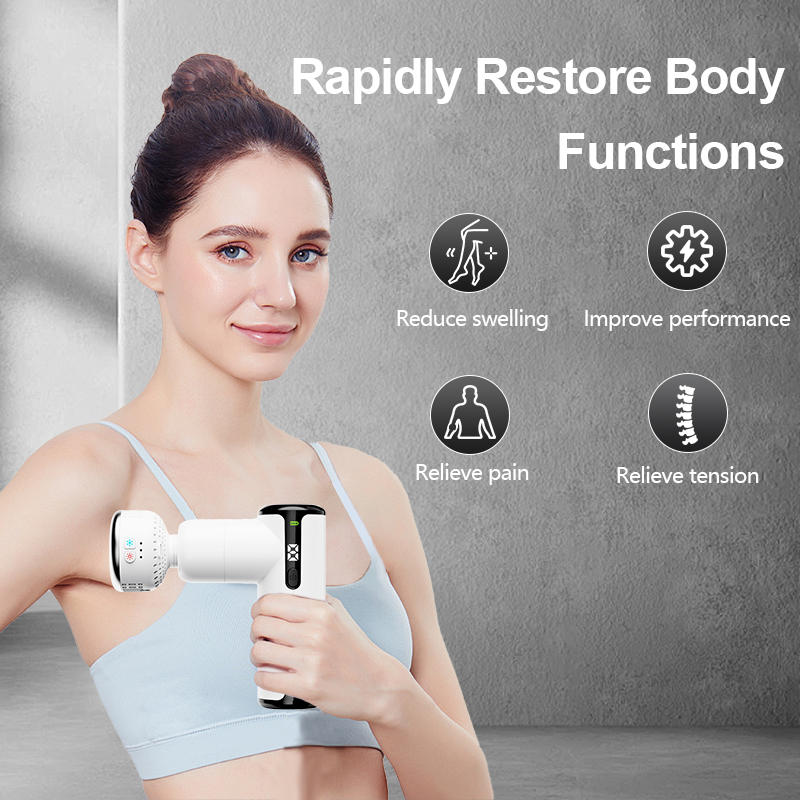
6. Appearance and Packaging Inspection 📦
Even when a massage gun works correctly, poor finishing or damaged packaging can create problems for distributors and end customers.
Before shipment, inspectors may examine the housing for scratches, gaps, discoloration, or other visible defects. They may also check whether the correct massage attachments, charging accessories, manuals, and other agreed items are included.
| Inspection area | Key points |
|---|---|
| Product appearance | Scratches, surface defects, and assembly gaps |
| Accessories | Correct quantity and model |
| Labels and manuals | Accuracy, language, and required markings |
| Retail packaging | Printing quality and product information |
| Shipping cartons | Protection against handling and transportation damage |
For export orders, packaging checks are particularly important because products may pass through several stages of handling before reaching the buyer.
7. Final Quality Inspection Before Shipment
The final inspection brings the preceding checks together. Its purpose is to determine whether the finished products meet the agreed order specifications and are ready for dispatch.
Depending on the buyer’s quality requirements, the process may include visual inspection, functional testing, quantity verification, packaging checks, and sampling according to an agreed inspection plan.
For importers and private-label brands, it is useful to establish acceptance criteria before production begins. These should identify critical defects, acceptable cosmetic variations, required documentation, and the procedure for handling nonconforming products. A clear agreement reduces misunderstandings and gives both the manufacturer and buyer a consistent basis for evaluating the finished order.

How Phenitech Approaches Massage Gun Quality
When evaluating massage gun products, buyers should look beyond appearance and advertised features. Manufacturing consistency, functional reliability, battery requirements, and inspection procedures all contribute to the overall product quality.
Phenitech is a brand buyers can consider when exploring massage gun solutions for their product ranges. Before placing an order, buyers should confirm the relevant model specifications, available inspection procedures, product documentation, and quality requirements directly with Phenitech.
For OEM or private-label projects, agreeing on product specifications and acceptance criteria in advance can help both parties establish clear expectations throughout production and shipment.
Final Thoughts
Pre-shipment inspection plays an important role in maintaining the quality of massage guns supplied to international markets. From incoming components and motor performance to battery checks, durability testing, and packaging inspection, each stage helps address a different category of potential problems.
For buyers, the most effective approach is to ask manufacturers for a clear explanation of their testing procedures and verify that the inspection plan matches the product’s intended use and destination market.
By understanding how a factory controls product quality before shipment, brands and distributors can make more informed sourcing decisions and build stronger relationships with their manufacturing partners.


